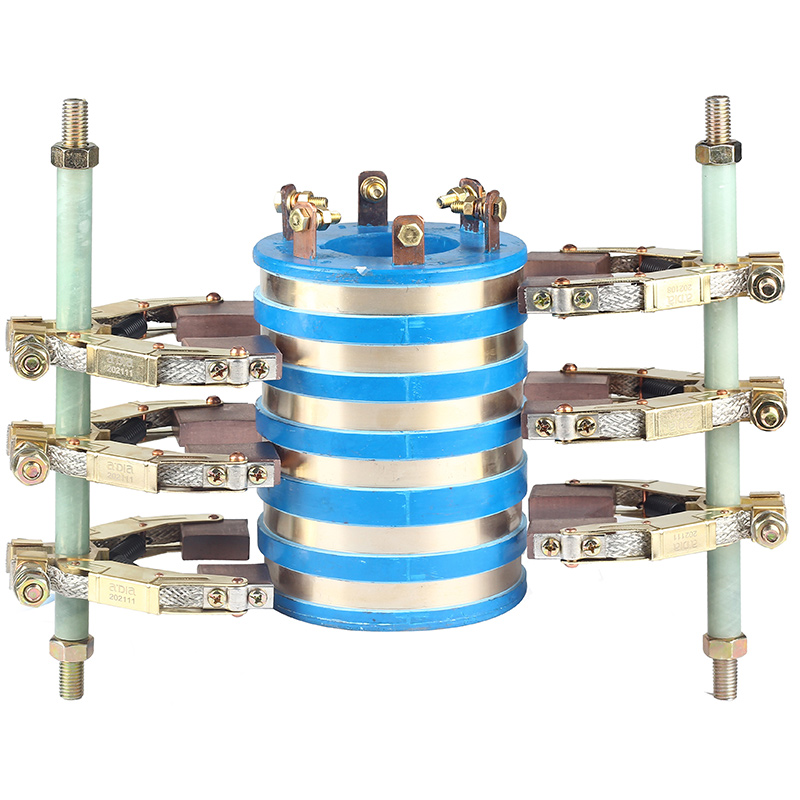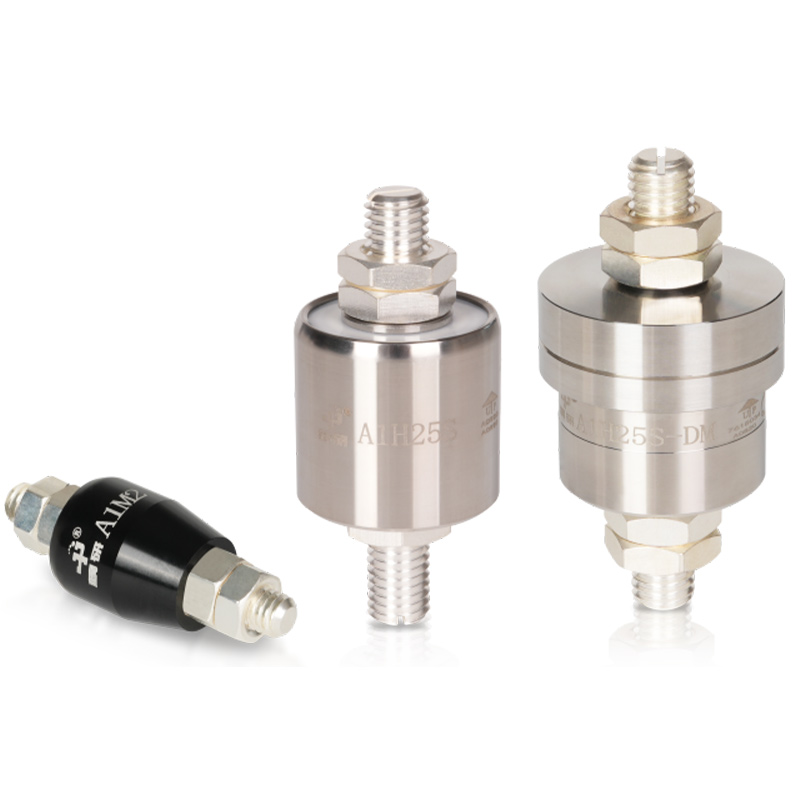
Rolling Conductive Assembly: Traditional designs using copper pulleys connected to conductive shafts via dynamic fits suffer from high friction, excessive noise, and rapid wear.
High-Current Overload Capability: Engineered to meet the high-power demands of cranes, the power section of the slip ring supports currents ranging from 600A to 1000A—with designs capable of reaching 2000A per ring—thereby satisfying the operational requirements of large-scale port machinery and lifting equipment.
Maintenance-Free Design: Utilizes imported carbon brushes or silver-alloy contacts featuring self-lubricating properties; this ensures stable operation with minimal dust generation, eliminating the need for routine lubrication or maintenance.
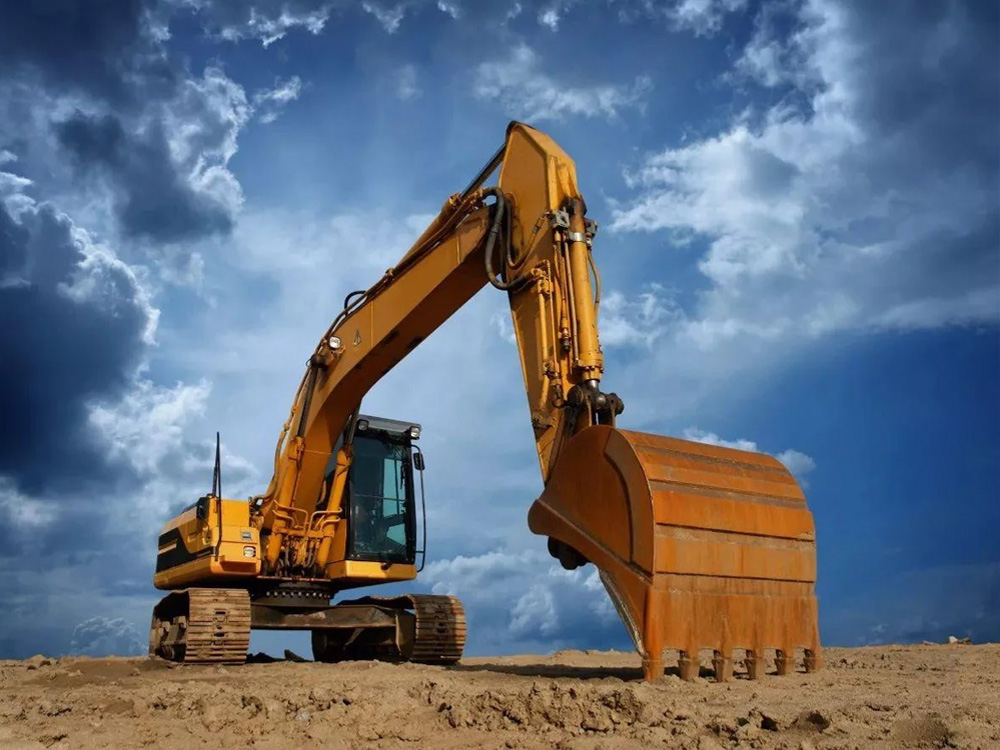
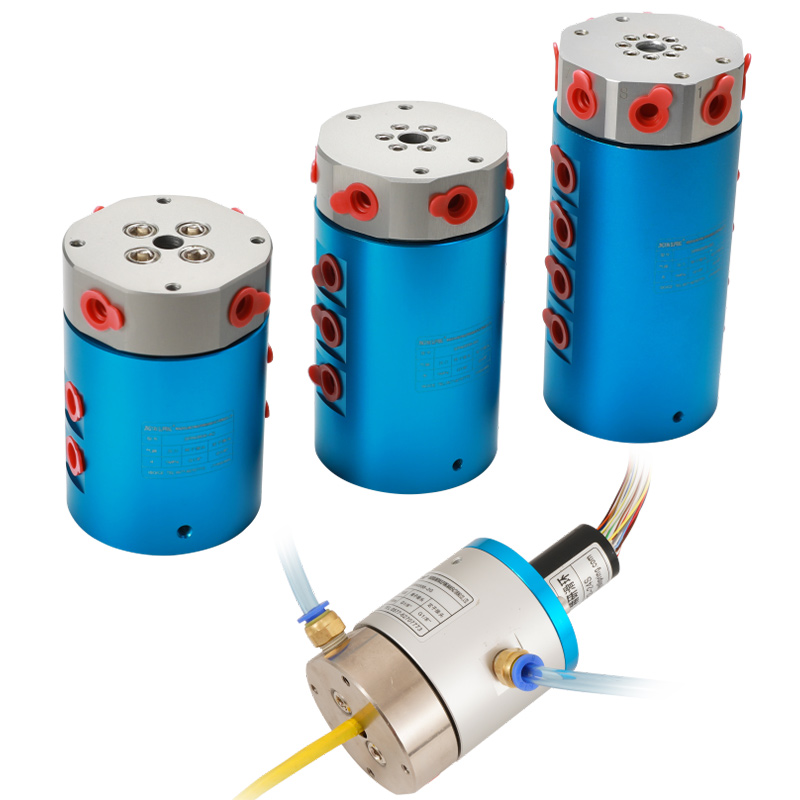
The operating environment here is far harsher than in the new energy sector—characterized by high vibration, heavy dust, and significant temperature fluctuations, and even requiring the transmission of hydraulic and pneumatic media.
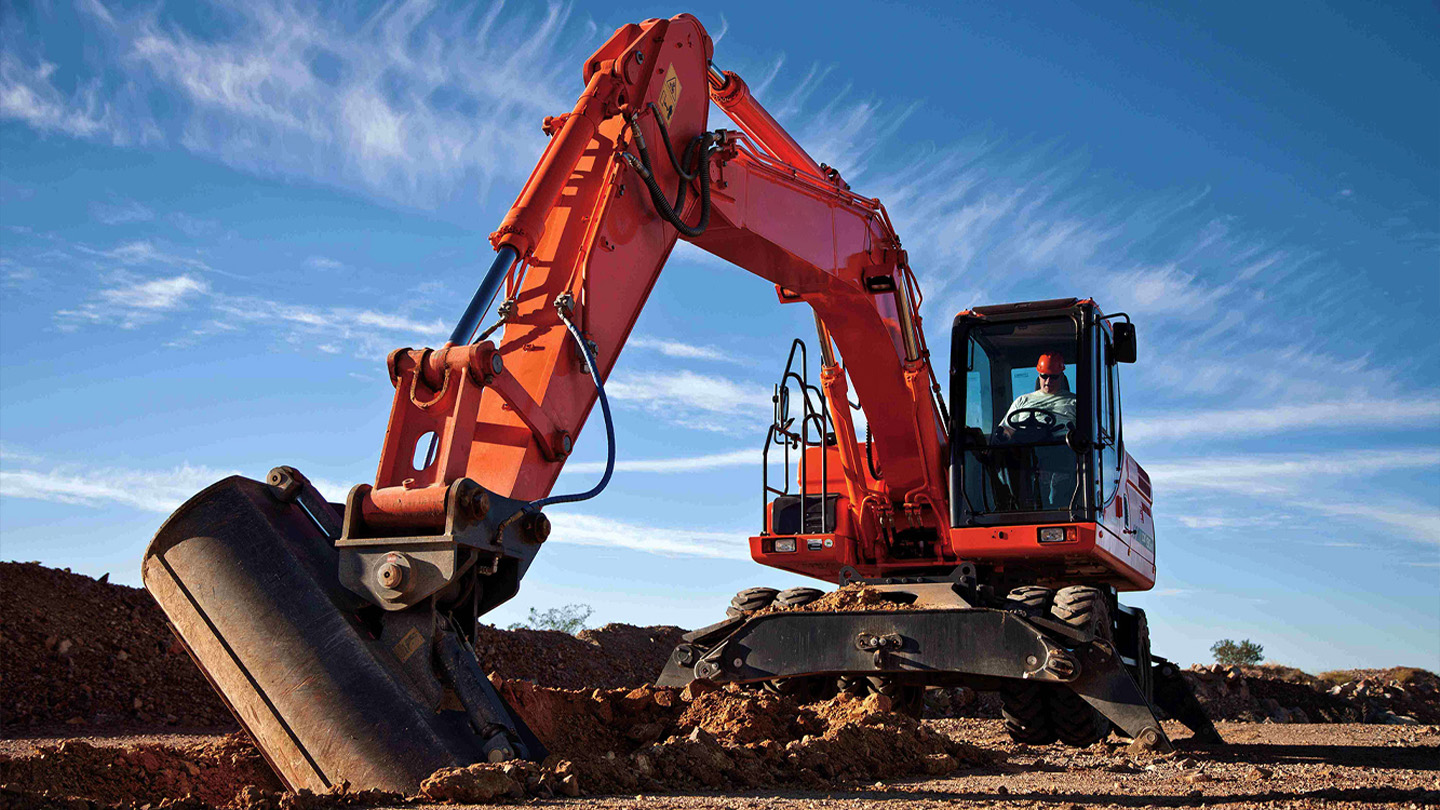
Transition between stationary and rotating parts: Resolves the issue of cable tangling between rotating components (such as the cab) and stationary components (such as the chassis).
Contact materials: Typically utilizes silver-on-silver or copper-graphite/imported carbon brush alloys to balance electrical conductivity with wear resistance and service life.
Integrated design: The integration of an electrical slip ring with a hydraulic rotary joint is a distinctive feature that sets construction machinery apart from general industrial equipment.
Please refer to our conductive pulley recommendations or contact us directly for expert advice.




We use cookies to collect information about how you use this site. We use this information to make the website work as well as possible and improve our services.more details