Quality Control

Prioritize Quality from the Start

Our quality control starts with the inspection of incoming raw materials. We rigorously select raw material suppliers to ensure they meet our technical design requirements and high standards.
 
In manufacturing our product range, we adhere to the highest industry standards globally, making us a trusted YADING partner.
 
Our stringent quality testing and control processes have reduced our product defect rate to just 0.01%.

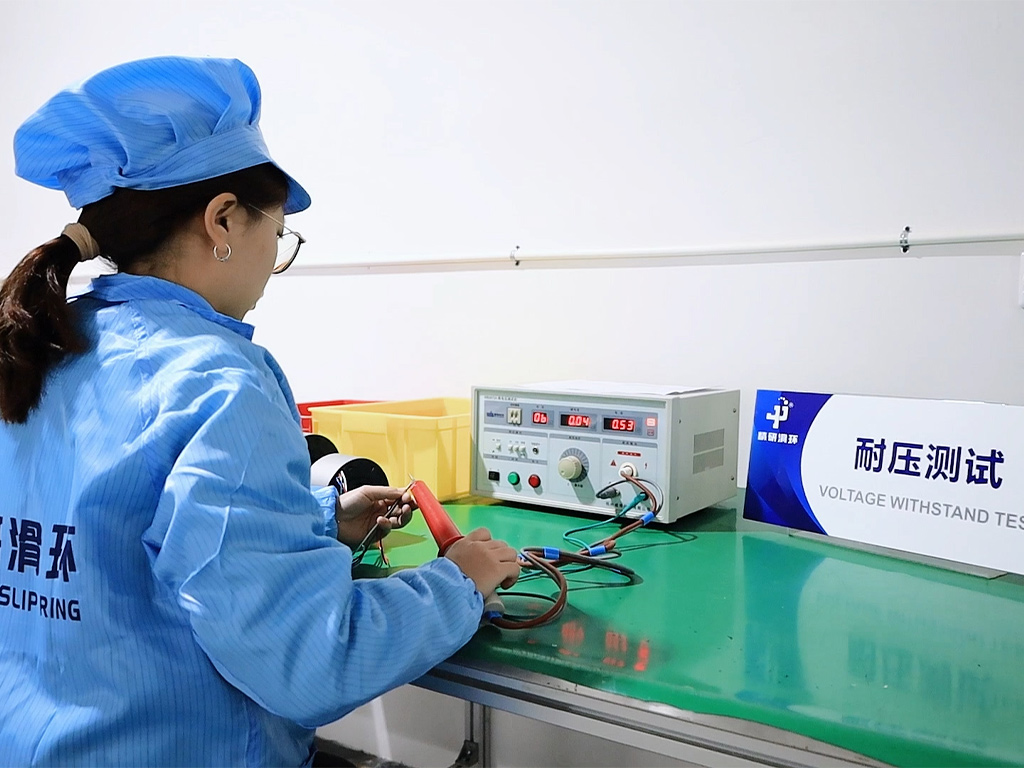
Dielectric Withstand

Dielectric Withstand

This test evaluates the dielectric strength of the conductive slip ring at a multiple of its nominal voltage. A 50 Hz high-voltage AC (typically twice the rated voltage plus 1,000 V) is applied between adjacent circuits or between the circuits and the housing for one minute. The unit passes if there is no breakdown, flashover, or sudden current surge, ensuring safe operation under high potential differences.

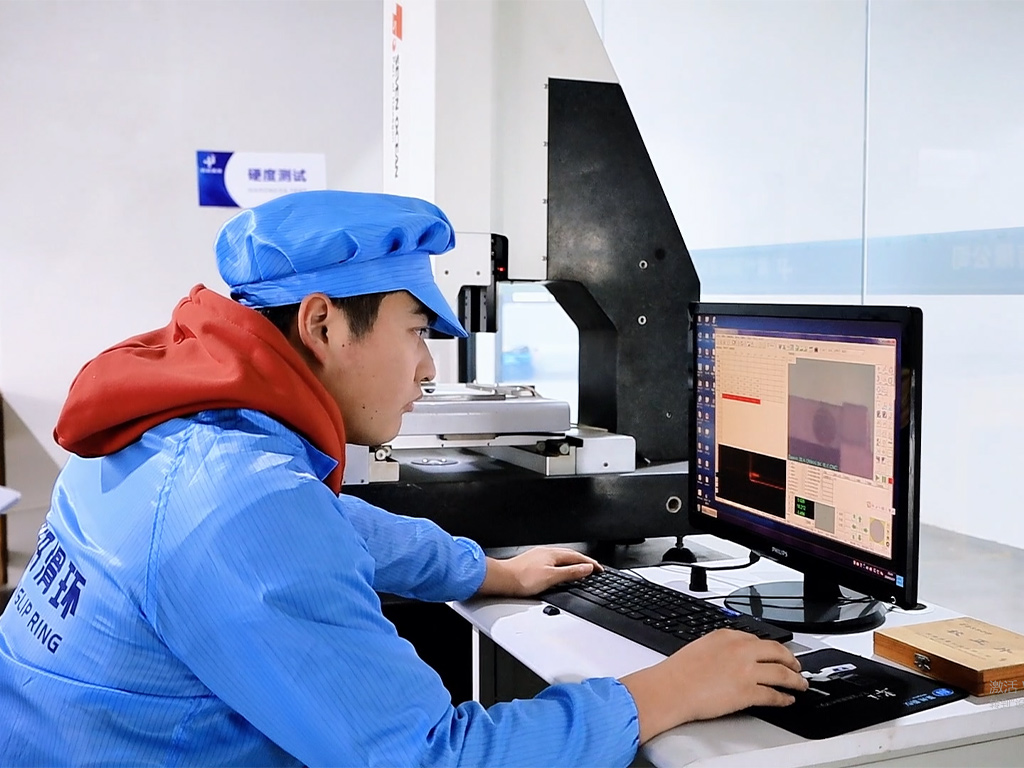
Material Hardness

Material Hardness

This test assesses the materials at the contact interface between the brush wires and the conductive tracks. Using a Vickers or Rockwell hardness tester, a standard load is applied to the track surface and brush wire tips to measure indentation depth. Appropriate hardness levels (typically with the track slightly harder than the brush wire) ensure low wear and stable contact resistance, preventing signal interruption caused by excessive wear.

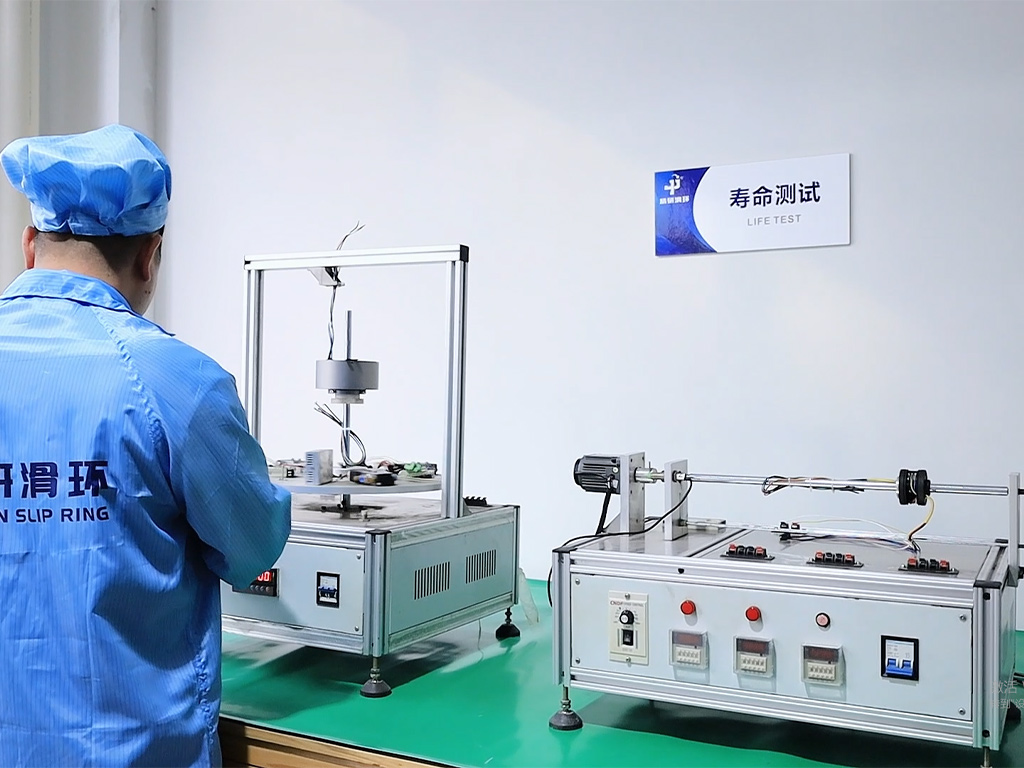
Lifespan Test

Lifespan Test

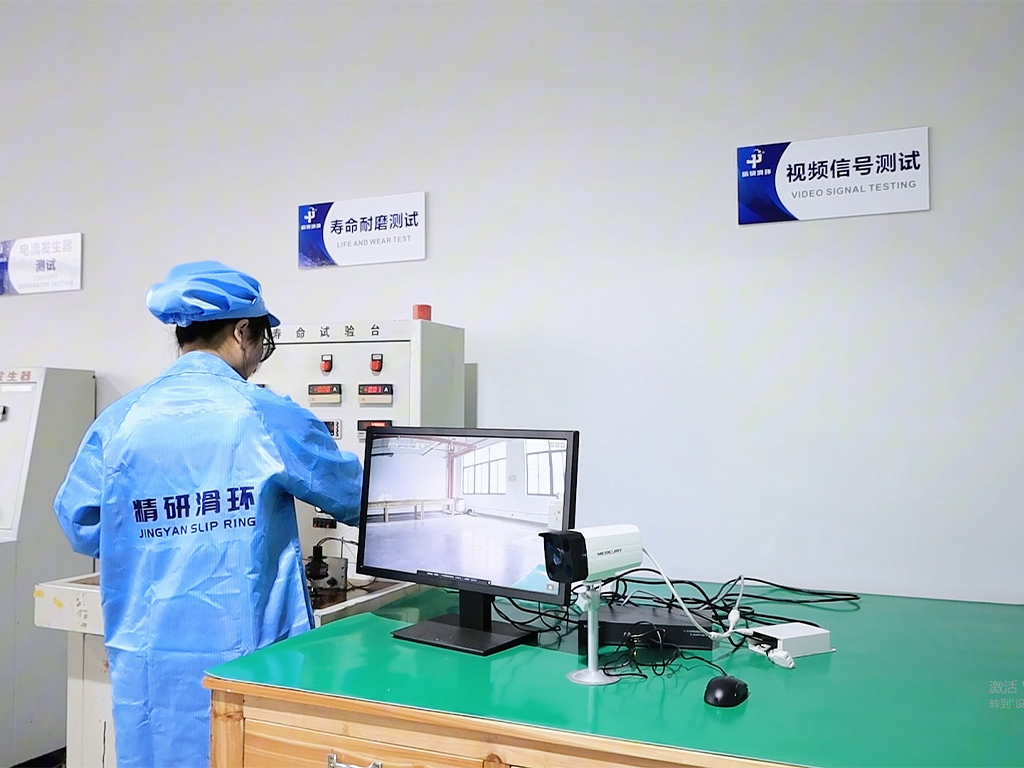
Our slip ring life-testing workshop serves as a core facility dedicated to evaluating the reliability and service life of slip rings under real-world operating conditions—including continuous rotation, applied loads, varying temperature and humidity, and vibration. The workshop is equipped with multi-station life-test rigs, programmable load simulation systems, high/low-temperature and humidity chambers, vibration tables, and multi-channel data acquisition and automated monitoring platforms. These systems enable the continuous recording and analysis of critical parameters such as contact resistance, insulation resistance, dielectric strength, temperature rise, signal transmission quality, and wear. Testing is conducted in strict accordance with national and industry standards as well as specific customer requirements, with support for customized testing protocols. The facility enables long-term, unattended operation, anomaly alarms, and full data traceability, providing robust support for product design optimization, quality enhancement, and delivery reliability.

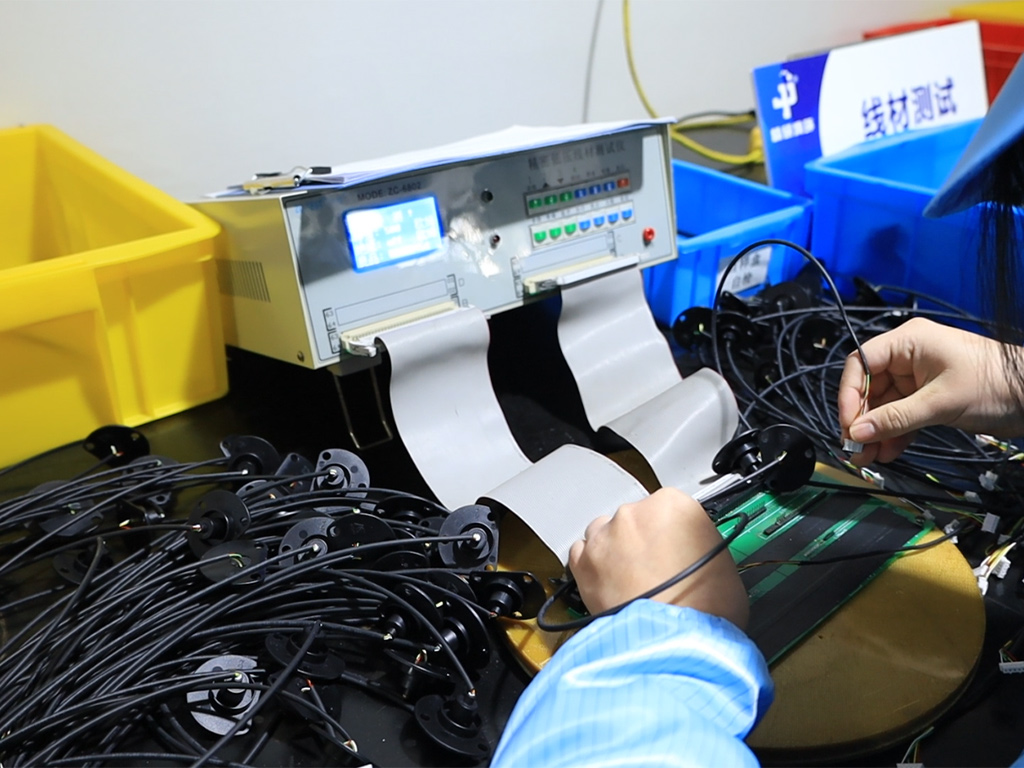
Cable Testing

Cable Testing

Our slip ring wire and cable testing facility is a specialized center dedicated to the incoming inspection, performance evaluation, and reliability verification of wires, cables, and wire harnesses used in slip rings. The facility is equipped with comprehensive wire testers; continuity, withstand voltage, and insulation resistance testers; DC resistance testers; tensile testing machines; bending, flexing, and torsion life testers; high/low-temperature and humidity chambers; salt spray chambers; flame retardancy test apparatus; and multi-channel data acquisition systems. These enable the testing of key parameters such as electrical continuity, insulation withstand voltage, conductor and insulation resistance, tensile strength, elongation, sheath thickness, and resistance to bending, torsion, temperature extremes, oil, corrosion, and fire. Testing is conducted in strict accordance with national and industry standards as well as specific customer requirements. The facility supports customized testing protocols and features automated data recording, anomaly alerts, and result traceability, thereby ensuring robust support for material selection, process optimization, quality control, and long-term reliable operation.

Service Life and Wear Resistance Test

Service Life and Wear Resistance Test

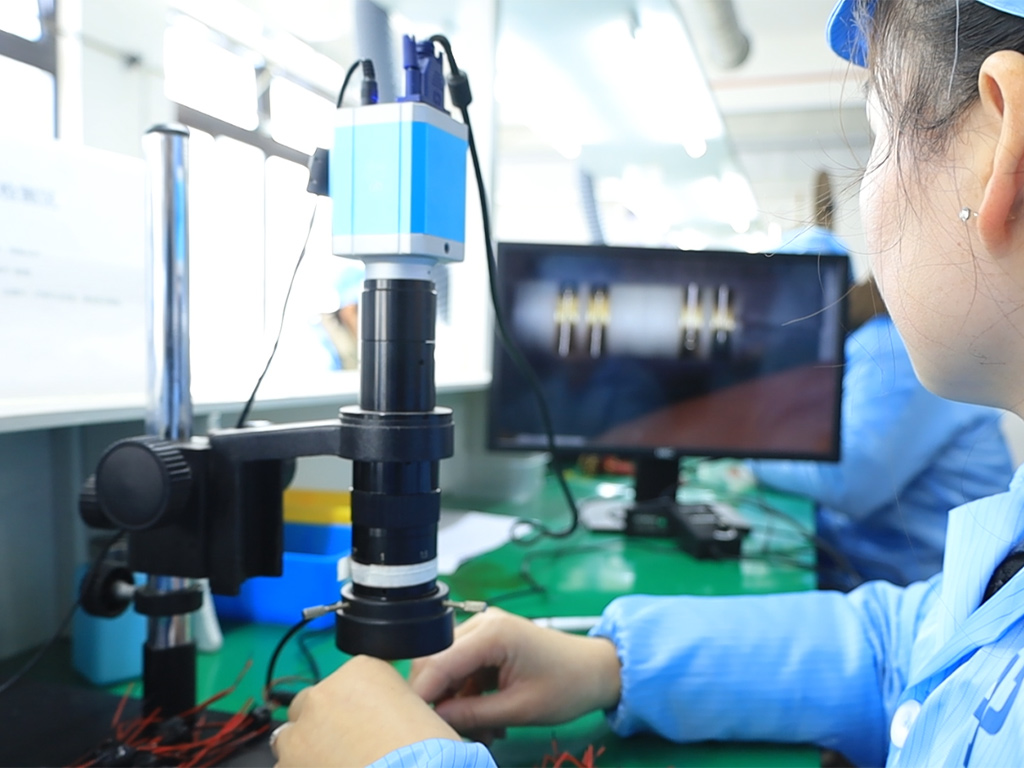
Our slip ring wear-life testing facility is a core testing center dedicated to evaluating the wear life and contact reliability of slip ring brushes, brush wires, conductive rings, and contact interfaces under conditions of long-term continuous rotation and sliding friction. The facility is equipped with multi-station wear-life test rigs, programmable power supply and load systems, rotational speed and contact pressure control units, and systems for real-time monitoring of contact resistance and temperature rise, friction torque testing, environmental chambers (temperature, humidity, and dust), vibration tables, precision balances, profilometers, microscopic inspection tools, and multi-channel data acquisition systems. It can simulate actual operating conditions—including various rotational speeds, currents, brush pressures, temperatures, humidity levels, vibration profiles, and dust environments—while continuously recording key parameters such as wear volume, debris characteristics, contact resistance fluctuations, temperature rise, friction torque, and signal transmission quality. Testing is conducted in strict accordance with national, industry, and corporate standards as well as specific customer requirements. The facility supports customized testing protocols, enables long-term unattended operation, provides anomaly alarms and data traceability, and offers robust support for contact material selection, optimization of brush/brush-wire structures, process improvements, and the assurance of long-term reliable operation.

Electron Microscopy

Electron Microscopy

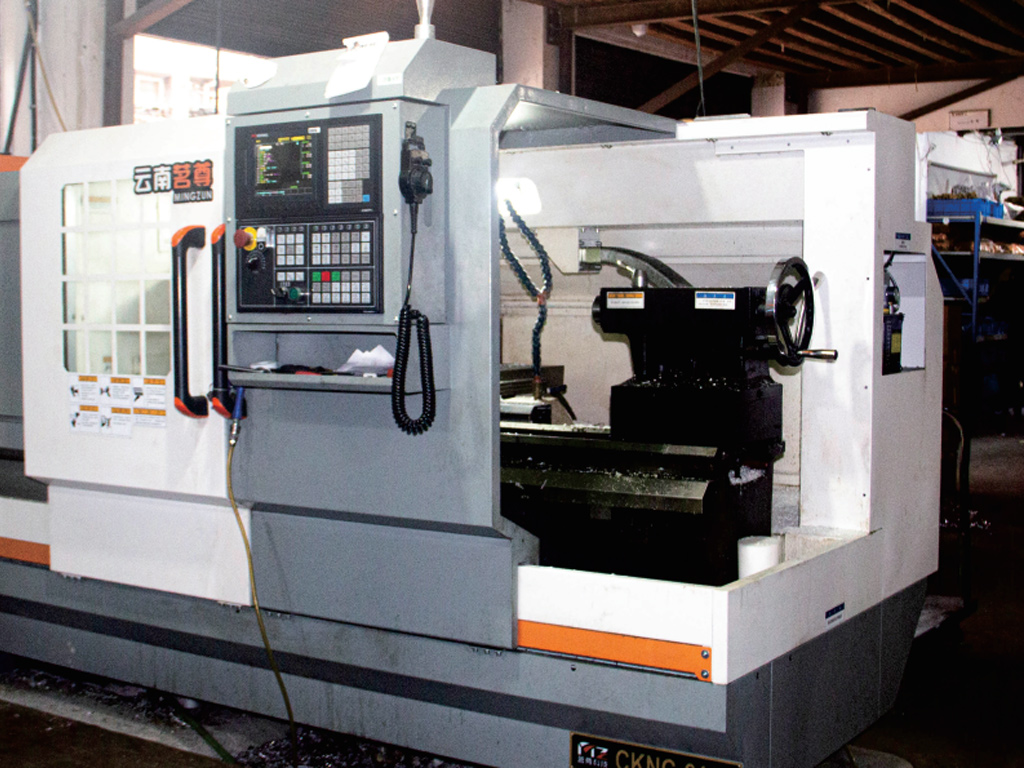
A Scanning Electron Microscope (SEM) is used to examine the slip ring contact interfaces (such as wear tracks and plating cross-sections). Magnifications of 500x to 5000x allow for the detection of micro-cracks, wear debris accumulation, or plating delamination. Energy Dispersive Spectroscopy (EDS) is employed alongside SEM to verify surface elemental distribution, enabling the root-cause control of friction and contact resistance fluctuations.

This site uses cookies

We use cookies to collect information about how you use this site. We use this information to make the website work as well as possible and improve our services.more details